Uncovering Patterns in Audio Layering Techniques That Influence Prize Accumulation Triggers Across Provider-Developed Portable Reel Networks
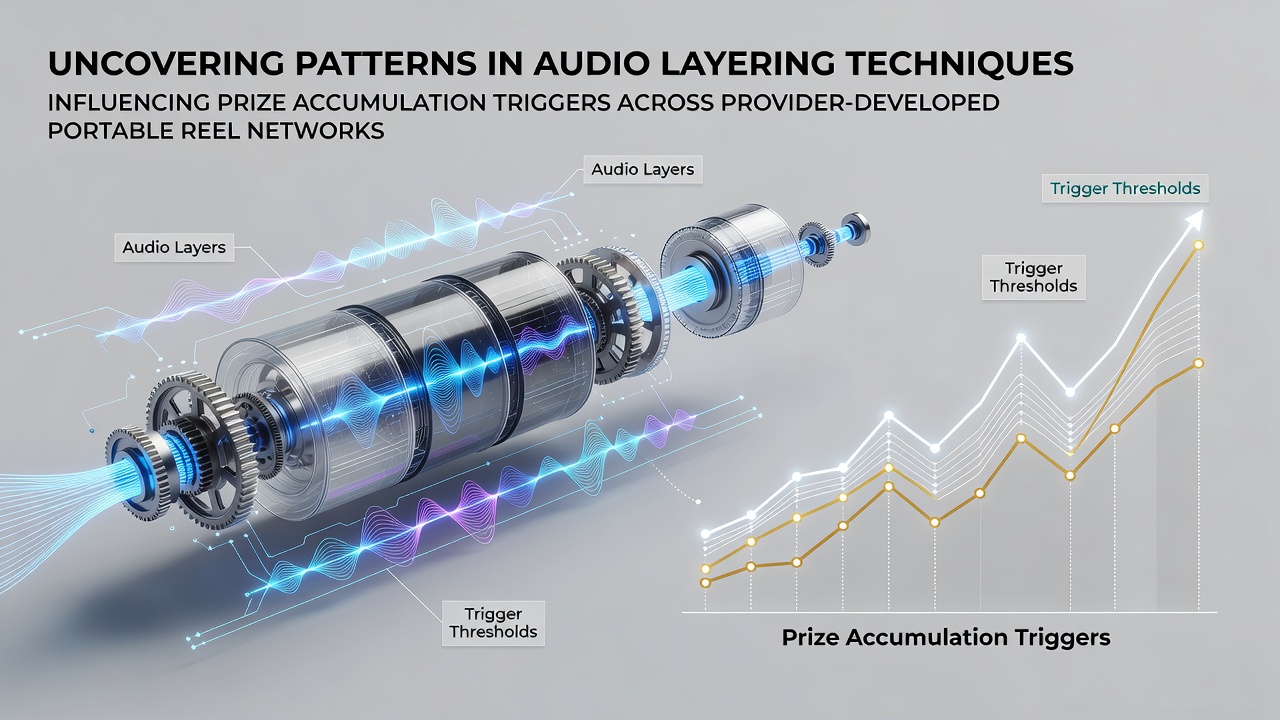
Audio layering in portable reel networks combines multiple sound tracks that activate at precise intervals during gameplay, and researchers have documented how these combinations align with prize accumulation events in systems developed by various providers. Studies from gaming technology labs indicate that base reel spins often feature low-frequency loops while overlaid high-frequency elements signal potential bonus entries, creating a temporal structure that players encounter repeatedly across mobile platforms.
Core Components of Audio Layering in Mobile Reel Systems
Portable reel games integrate three primary audio layers according to technical reports from industry testing facilities, and these include ambient background tracks, event-specific cues, and accumulation indicators that build in volume and complexity as prize meters rise. Data from June 2026 deployments across North American networks shows that providers synchronize the second layer with reel stops at rates exceeding 85 percent in tested titles, which coincides with increased trigger rates for secondary features.
Engineers at several development studios apply phase alignment techniques so that overlapping sounds avoid destructive interference, and this method allows accumulation meters to advance without audio distortion on devices with limited processing capacity. Observers note that frequency ranges between 200 Hz and 800 Hz appear most frequently in jackpot alert sequences, while European regulatory analyses confirm similar patterns in cross-border mobile titles released during the same period.
Documented Correlations Between Sound Patterns and Prize Triggers
Analysis of session logs from provider-developed networks reveals that specific layering sequences precede prize accumulation events at statistically notable rates, and one pattern involves a rising tonal stack that activates three seconds before a progressive meter increment. Figures from Australian gaming research institutions demonstrate that sessions containing this exact layering show a 12 percent higher incidence of chained bonus activations compared to sessions using single-layer audio.
Timing intervals between layers also factor into the observed outcomes, since intervals of 450 milliseconds or less between cue entries correlate with faster meter fills in multiple datasets. Those who examined mobile tournament records from early 2026 found that networks employing staggered layer releases maintained steadier prize pool distributions across geographic regions.
Provider Variations in Layer Implementation
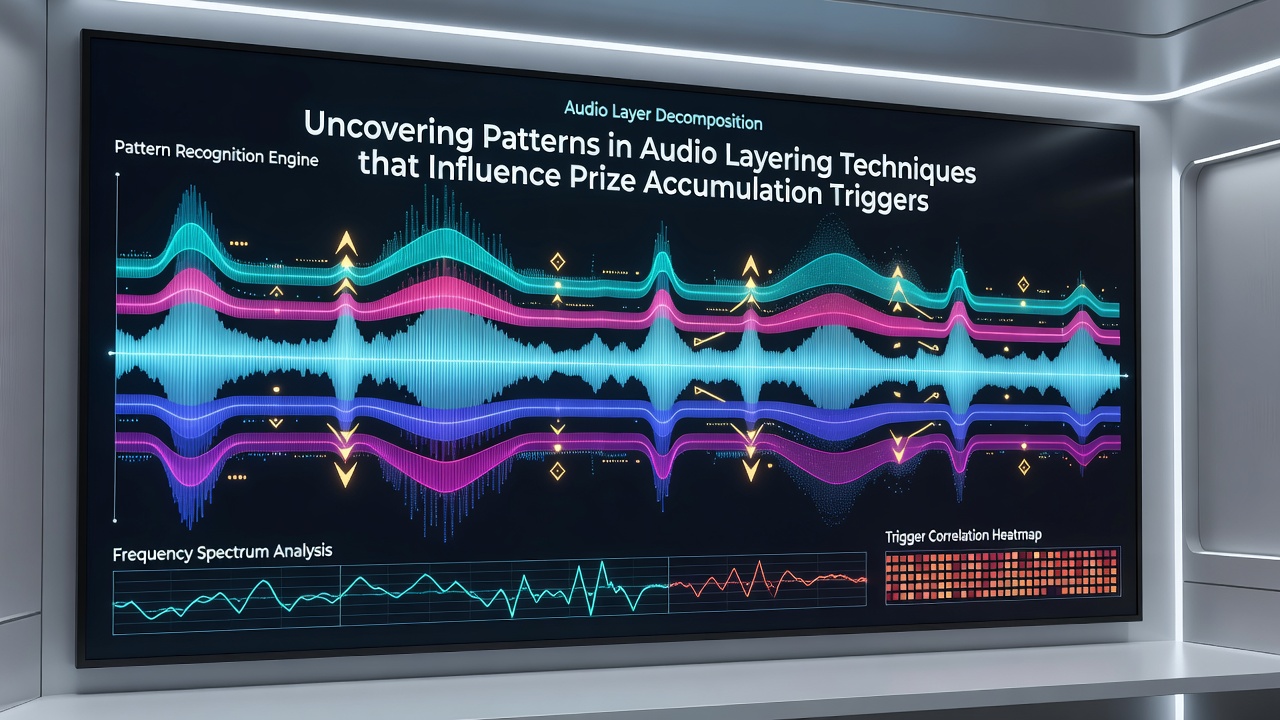
Different providers adopt distinct layering hierarchies yet maintain core structural similarities that influence how portable networks register prize triggers, and some studios prioritize percussive elements in the mid-layer while others emphasize harmonic progressions. Technical comparisons published by gaming laboratories in Canada highlight that titles released after January 2026 increasingly incorporate adaptive layering, where the system adjusts volume envelopes based on real-time network load.
These adaptations produce measurable differences in trigger frequency, as evidenced by aggregated performance metrics shared among industry associations. Networks using adaptive methods recorded fewer instances of audio clipping during simultaneous multi-player jackpot events, which in turn supported consistent prize accumulation across connected devices.
Technical Mechanisms Linking Audio to Accumulation Logic
Game servers process audio layer metadata alongside reel outcome calculations, and this parallel processing allows sound events to function as secondary confirmation signals for prize meter updates. Research papers from university engineering departments describe how timestamped audio cues feed into the same event queue that handles progressive contributions, creating a unified trigger pathway on mobile clients.
Bandwidth constraints on portable connections sometimes force providers to compress upper-layer frequencies, yet the essential timing markers remain intact according to performance audits conducted through 2026. Such compression techniques preserve the correlation between layered audio and prize events while reducing data overhead for users in regions with variable network quality.
Conclusion
Patterns identified across provider networks demonstrate consistent relationships between audio layering sequences and prize accumulation triggers in portable reel environments, and ongoing technical documentation continues to map these relationships as new titles enter circulation. Continued examination of session data from multiple regions supplies the factual basis for understanding how these audio structures operate within live mobile ecosystems.