Tracing Provider Innovations in Bonus Round Designs for Live-Integrated Progressive Networks
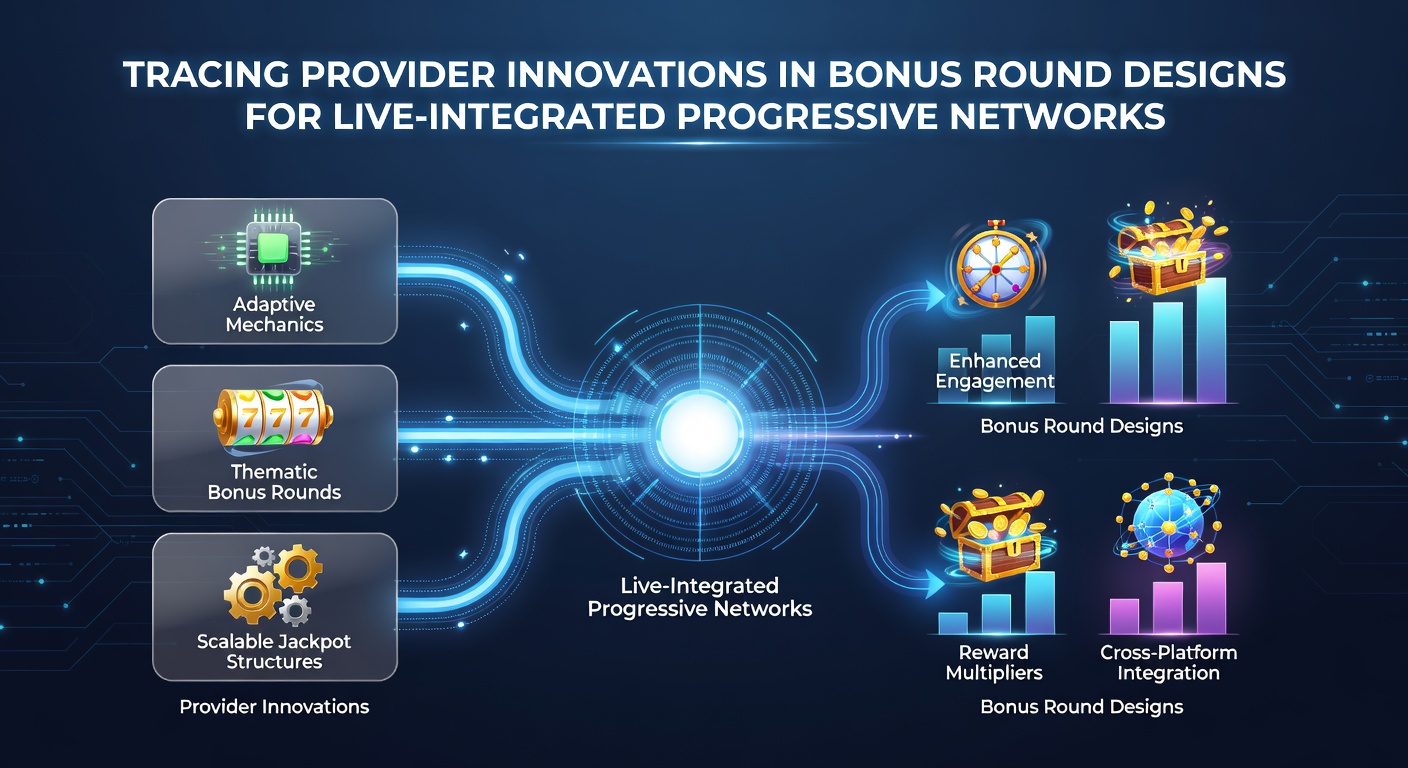
Game providers have steadily refined bonus round mechanics to support live-integrated progressive networks that link multiple machines and online sessions into shared jackpot pools, and data from industry reports shows these changes have accelerated since 2024 as operators seek tighter synchronization between player actions and network-wide prize growth.
Early Developments in Bonus Mechanics
Bonus rounds first appeared as simple free-spin sequences or pick-and-win games attached to base slots, yet providers quickly recognized that isolated designs limited engagement with progressive systems where contributions from every bet feed a central meter visible across venues and digital platforms. Observers note that by the late 2010s several manufacturers began embedding real-time data feeds directly into bonus sequences so that a triggered round could pull current jackpot values without pausing play or requiring separate server calls.
Engineers achieved this integration by shifting from static random-number tables to dynamic scripts that query the progressive controller at the moment a bonus activates, and this approach reduced latency while allowing prize displays to update live as other players contribute across the network. Research from gaming technology conferences indicates that such scripting lowered average disconnect rates during bonus events by measurable margins in multi-site deployments.
Core Design Shifts for Network Compatibility
Modern bonus rounds now incorporate modular layers that separate the visual presentation from the underlying progressive logic, which lets providers swap artwork or add narrative elements without rewriting the jackpot contribution code. Those who have examined patent filings from leading suppliers observe repeated use of API endpoints that expose progressive meter values to bonus engines in standardized formats, thereby supporting both land-based cabinets and mobile clients on the same network backbone.
One notable technique involves embedding progressive multipliers inside bonus features so that any increment to the shared pool during the round automatically scales the player's potential payout. Figures from network operators reveal that this multiplier layering has increased average jackpot hit sizes in live-integrated titles compared with earlier standalone progressive models.
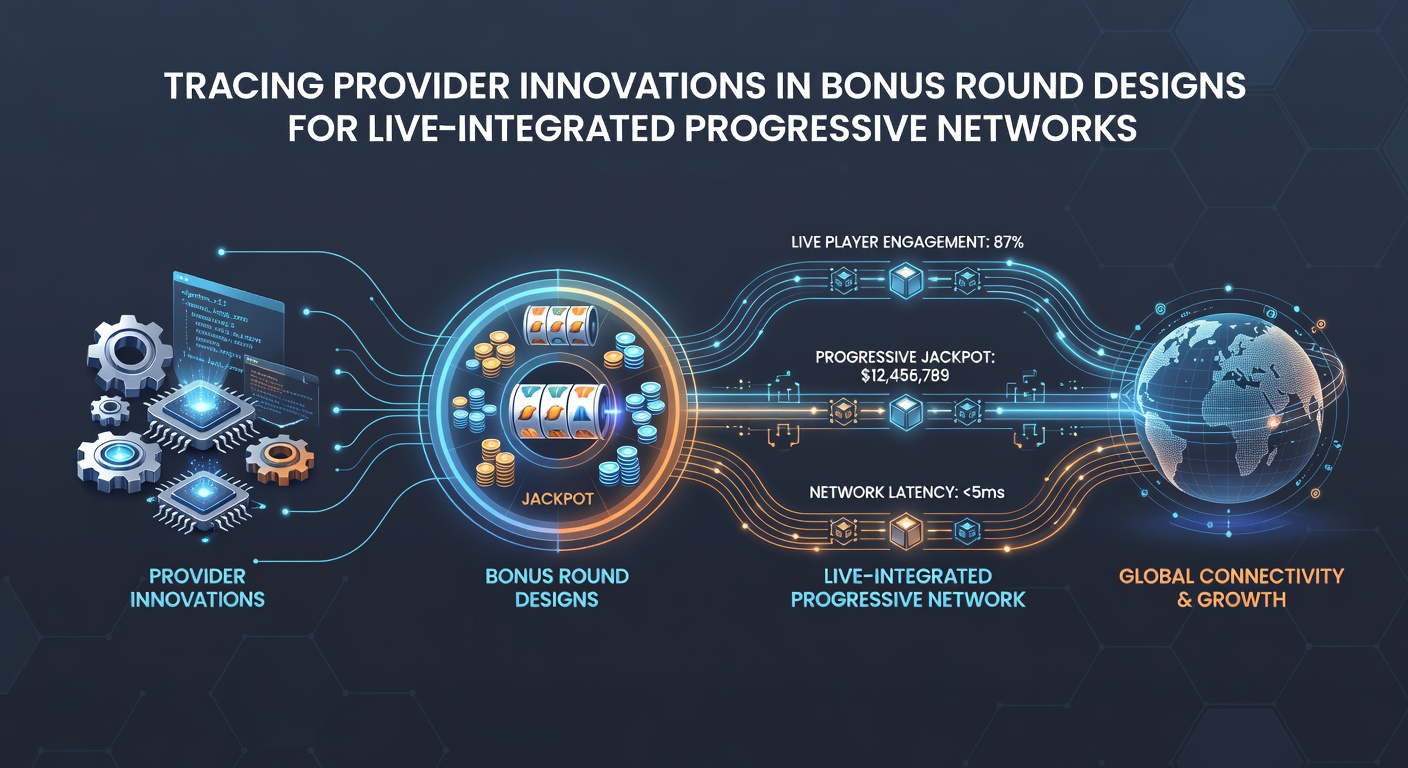
Provider-Specific Approaches Emerging in 2025-2026
Suppliers have pursued distinct paths while maintaining compatibility with shared progressive frameworks. Some focus on expanding bonus duration through chained mini-games that each reference the live meter, while others emphasize shorter, high-intensity rounds that resolve quickly yet still draw from the central pool. Data compiled by regional gaming authorities shows both strategies have contributed to higher session retention metrics in markets where live-integrated networks operate at scale.
In May 2026 several providers rolled out updated toolkits that permit operators to customize how bonus triggers interact with progressive eligibility rules across jurisdictions, and these updates arrived alongside hardware refreshes that improved synchronization speed for land-based terminals connected to cloud-hosted jackpot controllers. Industry associations tracking these releases report that adoption rates exceeded prior-year figures within the first quarter of availability.
Regulatory and Technical Considerations
Compliance requirements across different regions have shaped how providers embed progressive data inside bonus designs. Canadian provincial regulators and Australian state gaming commissions have each issued guidance requiring transparent display of network contributions during bonus play, prompting suppliers to include on-screen audit logs that players can access without leaving the feature. Such mandates have led to standardized logging formats that also assist operators during audits of jackpot integrity.
Technical standards published by international gaming laboratories further specify encryption and timestamp protocols for every meter query made from a bonus round, which reduces opportunities for timing-based exploits while preserving the seamless experience players expect. Those monitoring implementation note that these protocols have become baseline expectations in new network deployments worldwide.
Future Trajectories for Integrated Designs
Providers continue testing hybrid bonus structures that blend live progressive elements with skill-based modifiers, although regulatory approval timelines vary by jurisdiction. Reports from equipment testing facilities indicate ongoing work on latency benchmarks that would allow bonus rounds to incorporate real-time player-versus-player elements drawn from the same progressive network without introducing fairness concerns.
Collaboration between software houses and network operators has produced shared development environments where bonus templates can be validated against multiple progressive back-ends before deployment, shortening the interval between concept and live release. Evidence from pilot programs suggests these environments have cut certification cycles by several weeks in select markets.
Conclusion
Tracing the evolution of bonus round designs reveals consistent movement toward deeper synchronization with live-integrated progressive networks, driven by technical refinements, regulatory alignment, and operator demand for unified player experiences. Providers maintain distinct creative directions while adhering to common data-exchange standards that support both current deployments and anticipated expansions through 2026 and beyond.