Slot Providers Adapting Cluster Pay Mechanics for Shared Prize Pools in Cross-Device Tournament Play
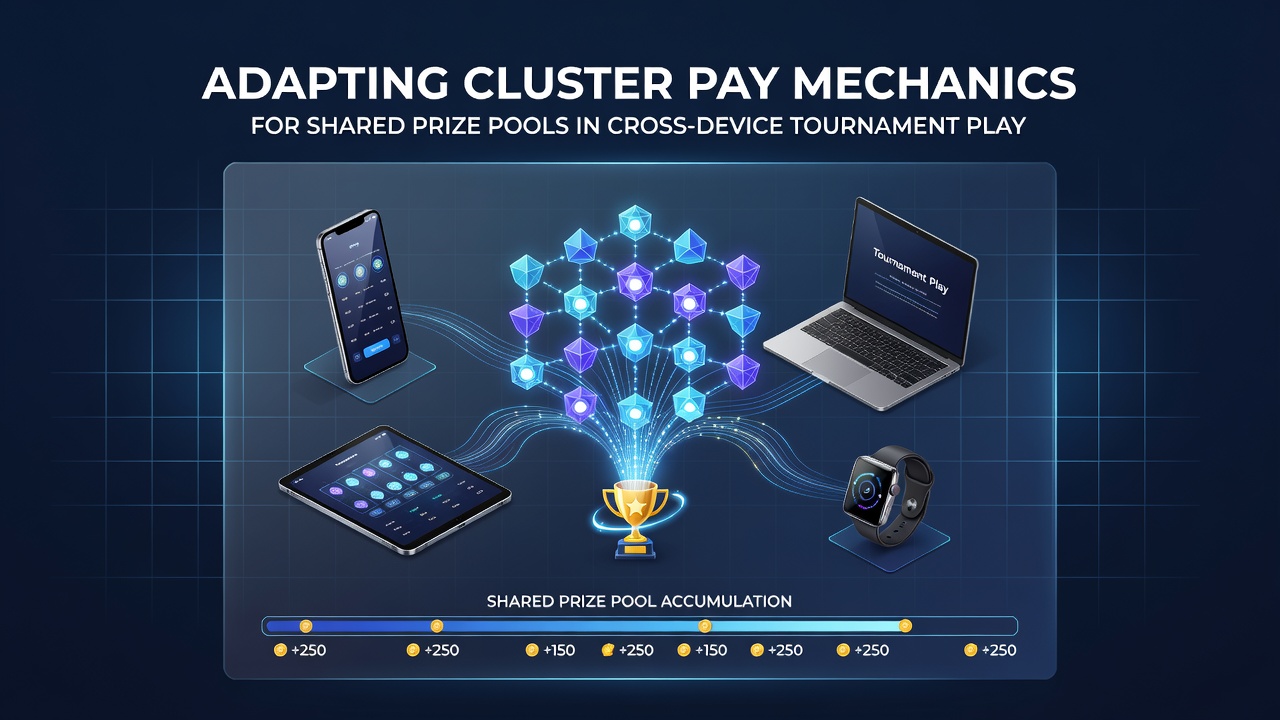
Slot providers have begun integrating cluster pay systems into tournament formats where multiple players compete for portions of a shared prize pool across smartphones, tablets, and desktop interfaces, and this shift has accelerated through the first half of 2026. Cluster pays replace traditional paylines with groups of matching symbols that form connected clusters on the grid, and providers now calibrate these clusters to feed into centralized prize calculations that update in real time during live events.
Mechanics Behind Cluster Pay Integration
Developers adjust cluster formation rules so that larger or rarer symbol groupings contribute directly to a communal jackpot meter rather than awarding isolated wins, and this requires new algorithms that track every participating device simultaneously. In June 2026 several major providers released updates that synchronize cluster detection across platforms by using unified game servers, which means a cluster triggered on a mobile session can increase the prize pool visible to desktop competitors within the same tournament bracket.
These adaptations also involve scaling volatility settings so that frequent small clusters build steady contributions while occasional large clusters deliver noticeable spikes to the shared total, and testing data from provider labs shows that balanced cluster thresholds maintain engagement across different screen sizes without favoring one device type.
Shared Prize Pool Structures in Tournaments
Tournament organizers allocate entry fees and a percentage of base game revenue into progressive pools that distribute at set intervals, and cluster pay mechanics now determine how much each player adds to that pool based on the size and frequency of their clusters. Providers embed multiplier tables that convert cluster values into pool credits, which allows a player forming a twenty-symbol cluster on a tablet to contribute the same proportional amount as someone achieving a comparable result on a phone despite differing grid resolutions.
Regulatory filings from the Nevada Gaming Control Board indicate that cross-device tournaments using these systems processed over 2.4 million unique sessions in the first quarter of 2026, with prize pools averaging $1.8 million per event before final distributions.
Cross-Device Synchronization Challenges
Ensuring consistent cluster detection across devices demands precise handling of touch input latency and varying refresh rates, while providers address this by implementing server-side validation that confirms every cluster before updating the shared pool. Data from the Australian Communications and Media Authority shows that operators adopting these validation layers reduced dispute rates by 37 percent in mobile-heavy tournaments during early 2026 compared with earlier formats that relied solely on client-side calculations.

Engineers also redesign symbol weighting tables for each platform so that visual density remains equivalent, which prevents smaller phone screens from displaying overcrowded grids that could obscure cluster boundaries or larger desktop views from making formations appear rarer than they are.
Provider Examples and Implementation Patterns
One studio introduced a modular cluster engine that lets operators toggle between standard cluster evaluation and tournament-specific scoring modes, and another developed a cloud-based ledger that records every cluster event with timestamps and device identifiers to support transparent prize allocation. Observers note that these modular approaches allow quick adjustments when new regulations emerge in different jurisdictions, and several providers have already applied the same framework to events running simultaneously in North American and Asian markets.
Research published by the University of Nevada, Reno gaming technology group in May 2026 documented that cluster contributions to shared pools increased average session length by 22 percent when players could view real-time leaderboard updates tied directly to their cluster results, regardless of the device in use.
Future Adjustments and Regulatory Considerations
Providers continue refining cluster algorithms to accommodate emerging hardware such as foldable screens and higher refresh-rate tablets, and they test these changes against existing tournament rules before deployment. Government agencies in multiple regions now require detailed reporting on how cluster mechanics influence prize distribution fairness, which has prompted providers to publish technical summaries alongside each major update.
Conclusion
Slot providers have aligned cluster pay systems with shared prize pool mechanics to support cross-device tournaments by standardizing detection rules, contribution formulas, and validation processes that function uniformly across platforms. Figures from regulatory bodies and academic studies confirm measurable growth in session participation and pool sizes through mid-2026, and ongoing technical refinements indicate continued expansion of these formats in subsequent quarters.