How Haptic Feedback Systems Influence Trigger Sequences in Accumulating Prize Events During Handheld Reel Competitions
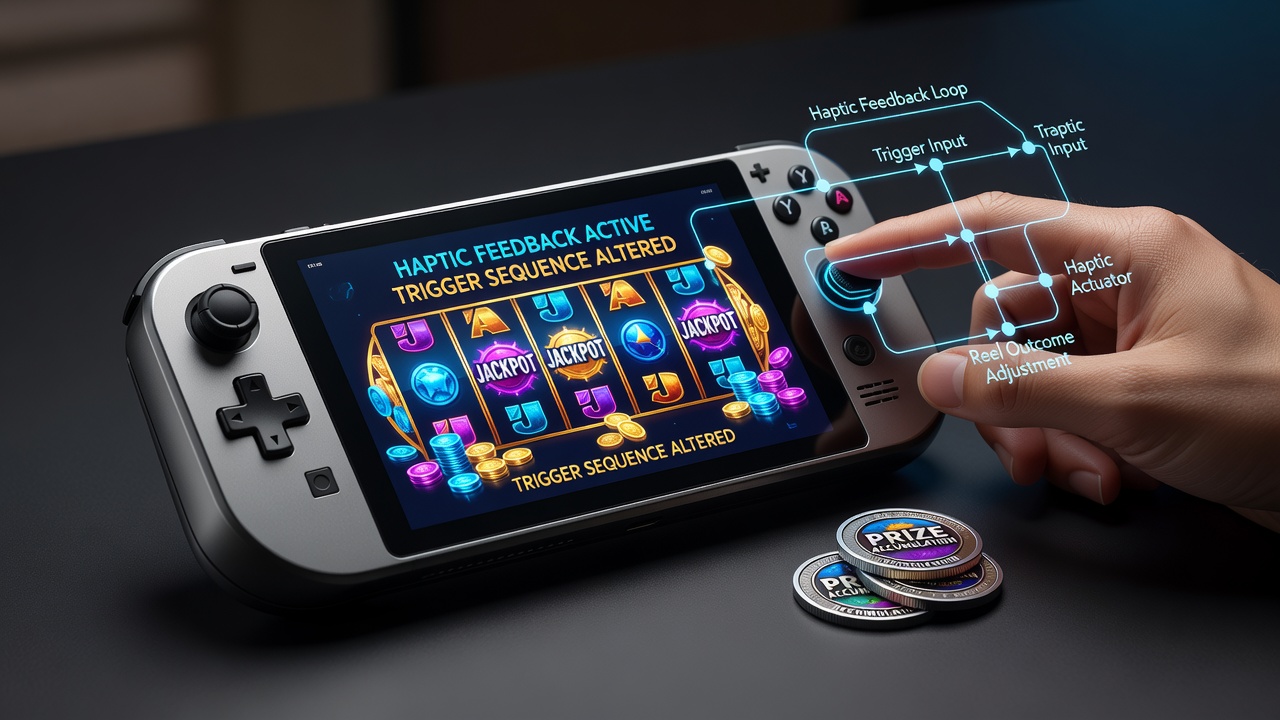
Handheld reel competitions rely on precise timing when players activate bonus features that build toward accumulating prizes, and haptic feedback systems introduce vibrations and tactile responses that reshape those activation patterns. These systems deliver controlled pulses through device motors, which align with on-screen reel stops or symbol combinations to signal potential prize escalations in networked tournaments.
Core Components of Haptic Integration
Modern portable gaming hardware incorporates linear resonant actuators alongside eccentric rotating mass motors, allowing developers to program distinct vibration profiles for different game states. When a reel sequence approaches a prize trigger threshold, the haptic layer activates in sync with visual cues, creating a multisensory loop that guides player input without altering the underlying random number generator outputs.
Studies from the Technical University of Munich have documented how these profiles adjust response latency by fractions of a second, particularly during chained bonus rounds where multiple players compete for shared prize pools. Data shows that synchronized pulses reduce input errors in rapid-tap scenarios common to accumulating event mechanics.
Impact on Prize Accumulation Triggers
Accumulating prize events depend on sequential reel alignments that escalate jackpot values across connected devices. Haptic cues modify the perceived timing of these alignments by providing immediate physical confirmation when symbols land in qualifying positions, which influences how competitors sequence their subsequent spins or bets. Observers note that players adjust their interaction rhythm based on vibration intensity, often extending hold times on spin buttons when stronger pulses accompany near-miss patterns.
Research indicates this feedback loop does not change probability calculations but does affect decision intervals between actions, leading to variations in how quickly prize meters advance during live tournament windows. In June 2026 several mobile platforms reported measurable shifts in trigger frequency after rolling out updated haptic libraries to tournament modes.
Technical Adjustments in Sequence Handling
Engineers calibrate haptic triggers to match specific reel stop positions, using API calls that map vibration duration to symbol rarity within the paytable structure. When a high-value combination initiates a prize accumulation phase, the system escalates pulse frequency proportionally to the growing meter value, prompting users to maintain engagement through the chain reaction. This mapping requires coordination between game logic servers and device hardware controllers to avoid desynchronization across different smartphone models.
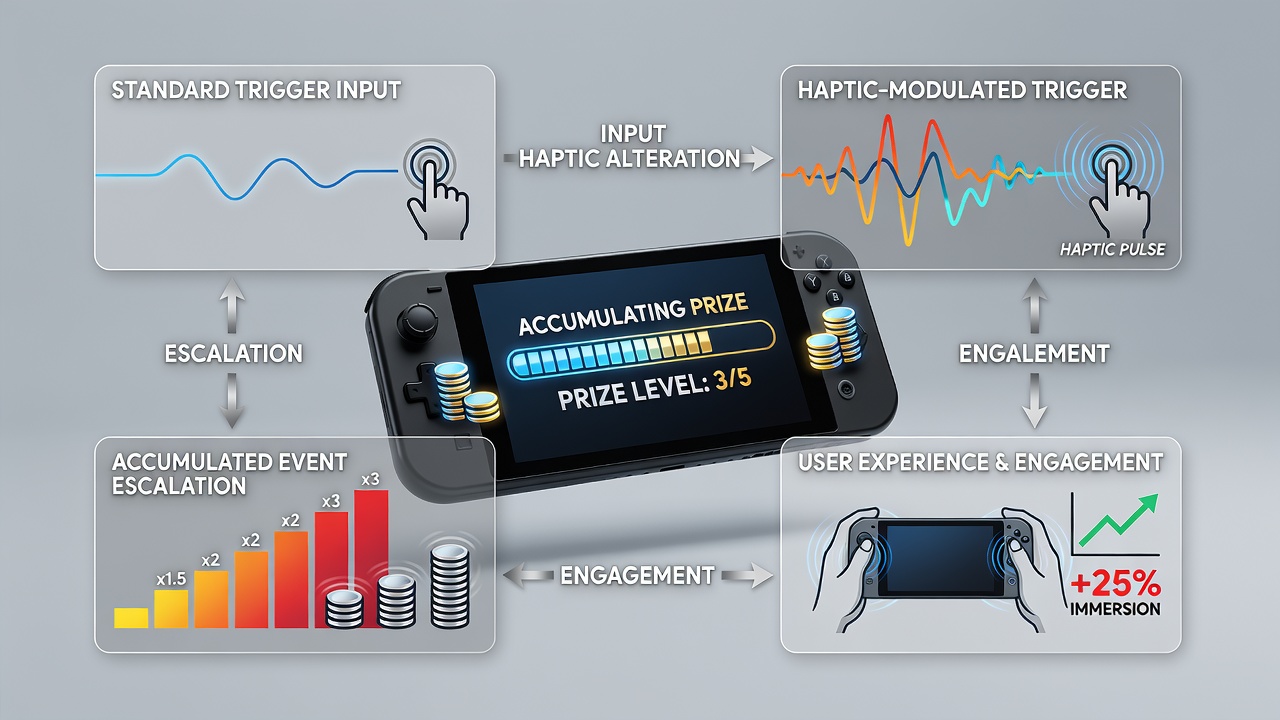
Industry reports from the Canadian Gaming Association highlight that cross-device compatibility testing has become essential, since varying motor strengths on tablets versus phones alter the effective strength of each cue and therefore the speed at which competitors recognize and respond to accumulating opportunities.
Observed Patterns in Tournament Settings
Analysis of leaderboard data from portable reel events reveals clusters of rapid trigger activations coinciding with haptic intensity peaks, especially in progressive formats where multiple users contribute to a shared pool. Those who have examined session logs note that participants tend to initiate spins within narrower time windows after receiving confirmatory pulses, resulting in tighter grouping of prize escalations across the network. Regulatory filings from the Nevada Gaming Control Board document similar timing compressions during sanctioned mobile competitions held in early 2026.
Yet the underlying mathematics governing reel outcomes remains unchanged, meaning any acceleration stems from behavioral adjustments rather than algorithmic shifts. Academic papers published through the University of Sydney's gaming technology program have quantified these behavioral changes using timestamped input data collected from tournament participants.
Future Calibration Approaches
Developers continue refining haptic libraries to support variable intensity scaling based on individual device accelerometer readings, ensuring consistent cue delivery regardless of hardware age or model. This calibration process involves mapping each possible prize trigger state to a unique waveform signature that players learn to associate with specific accumulation phases. As more platforms adopt these refined profiles, sequence timing in handheld competitions shows increasing uniformity across geographic regions.
Conclusion
Haptic feedback systems integrate directly into the operational flow of accumulating prize mechanics by supplying tactile markers that coincide with reel events, thereby guiding player responses during handheld reel competitions. Technical implementations focus on synchronization accuracy and device compatibility, while observed data patterns confirm impacts limited to interaction timing rather than outcome probabilities. Continued refinement of these systems supports consistent tournament experiences across varied portable hardware configurations.