How Cultural Motifs Reshape Multiplier Systems in Global Progressive Networks
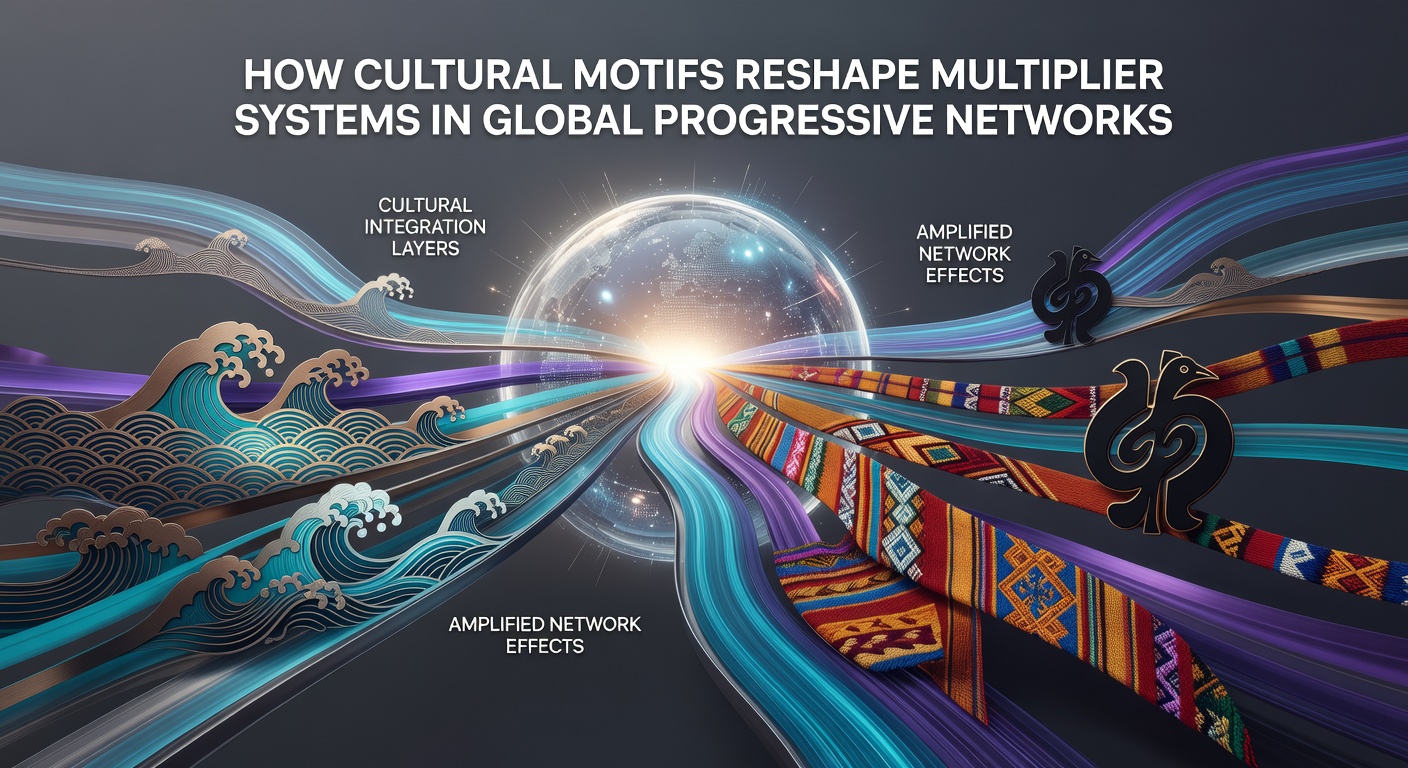
Global progressive networks connect slot machines across multiple jurisdictions and these systems now incorporate cultural motifs that directly alter multiplier calculations and jackpot triggers. Operators adjust symbol weights, bonus triggers, and multiplier sequences to align with regional design preferences while maintaining network-wide contribution rates and payout percentages. Data from network operators shows that these adaptations influence both player engagement patterns and the frequency of progressive triggers in different markets.
Cultural Symbols and Their Technical Integration
Design teams embed motifs drawn from specific traditions into the core math models that govern multipliers. Dragon imagery common in East Asian markets often appears on high-value symbols that carry built-in multiplier values ranging from 2x to 10x during base play. These symbols feed into progressive pools at higher contribution percentages than standard icons, which shifts the rate at which jackpots accumulate in connected regions. Research conducted by the University of Macau's gaming technology laboratory indicates that such motif-driven adjustments produce measurable changes in hit frequency across linked machines.
Networks operating in the Americas have incorporated Aztec and Inca geometric patterns into reel strips where certain combinations activate cascading multipliers that build across successive spins. Each cascade multiplies the previous win by an incremental factor determined by the number of matching cultural symbols collected. Operators report that these sequences extend average session lengths because the visual continuity created by the repeated motifs encourages continued play until the progressive threshold resets.
Regional Network Adjustments and Regulatory Oversight
Regulatory bodies require that any motif integration preserves the certified return-to-player percentages across entire networks. The Nevada Gaming Control Board reviews submitted math sheets that detail how cultural symbols affect both local and shared progressive contributions. Similar scrutiny occurs through Singapore's Casino Regulatory Authority when operators propose new motif sets for machines destined for multi-jurisdictional pools. These reviews confirm that multiplier functions tied to specific symbols do not create unintended advantages or disadvantages for players in any connected market.
In May 2026 several Asian-linked networks introduced expanded sets of lunar-themed motifs that modify multiplier ladders during designated festival periods. The changes allow symbols representing specific lunar phases to stack multipliers up to 25x when three or more appear on adjacent reels. Network logs show that progressive jackpot contributions from these themed machines increased by measurable margins during the initial rollout weeks compared with non-themed equivalents in the same pool.
Multiplier Flow in Cross-Border Progressive Systems
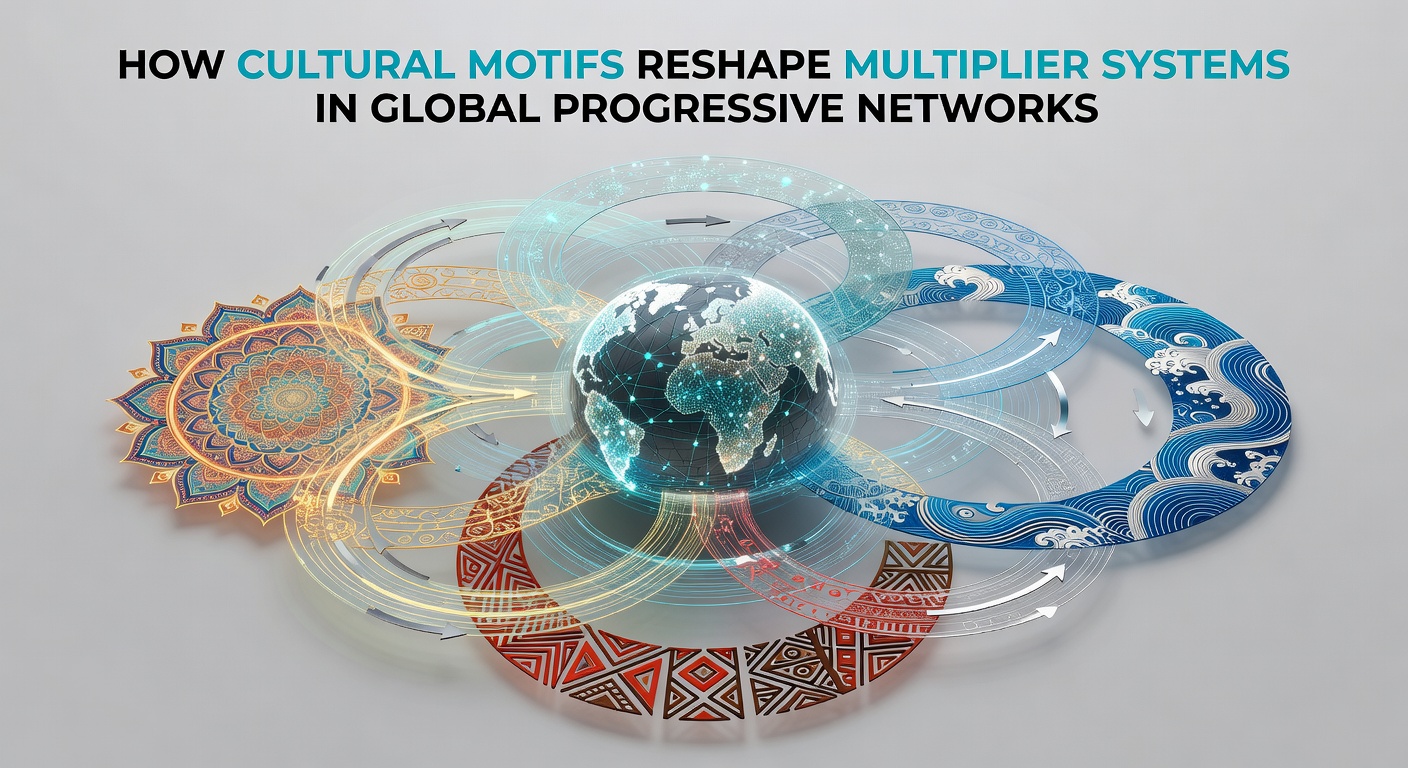
Progressive meters receive contributions from every participating machine regardless of the cultural motif displayed on individual terminals. Yet the frequency and size of multiplier events triggered by those motifs determine how quickly individual machines draw from the shared pool. Machines featuring African beadwork patterns, for instance, often carry secondary multipliers that activate only after a base progressive trigger occurs, which creates a layered payout structure documented in operator technical filings. This layering produces distinct payout distributions that differ from networks using uniform symbol sets across all regions.
Engineers track these interactions through centralized servers that log every multiplier application and its effect on the remaining jackpot balance. The resulting datasets reveal that certain motifs correlate with higher rates of mid-tier wins that partially deplete the progressive reserve before larger jackpots form. Networks therefore calibrate contribution percentages on a per-motif basis to maintain stable growth trajectories across all connected sites.
Data Patterns from Multi-Regional Deployments
Figures compiled by the Australian Gambling Research Centre demonstrate that progressive networks incorporating multiple cultural motif families experience greater variance in daily jackpot increments than single-motif networks. The variance stems from the differing multiplier activation probabilities assigned to each cultural symbol set. Operators adjust seed values and contribution rates accordingly to smooth these fluctuations while complying with local licensing conditions in each jurisdiction.
One documented case involves a trans-Pacific network that introduced Japanese wave motifs alongside existing North American wildlife symbols. The wave symbols carried multipliers that reset after each progressive hit, whereas wildlife symbols retained accumulated multipliers across multiple triggers. Server data collected over six months showed that the dual-motif configuration produced a wider range of jackpot win sizes than either motif family achieved independently.
Conclusion
Cultural motifs continue to influence multiplier mechanics within global progressive networks through targeted adjustments to symbol behavior and contribution formulas. Regulatory oversight ensures these modifications preserve certified payout parameters while allowing operators to tailor visual and functional elements to regional preferences. Network operators monitor resulting payout distributions and recalibrate parameters as new motif sets enter circulation. The ongoing integration of additional cultural designs indicates that multiplier systems will keep evolving in response to both market demands and technical capabilities across connected jurisdictions.