Geofencing Technologies Influence Prize Pool Distributions in Cross-Border Portable Reel Games
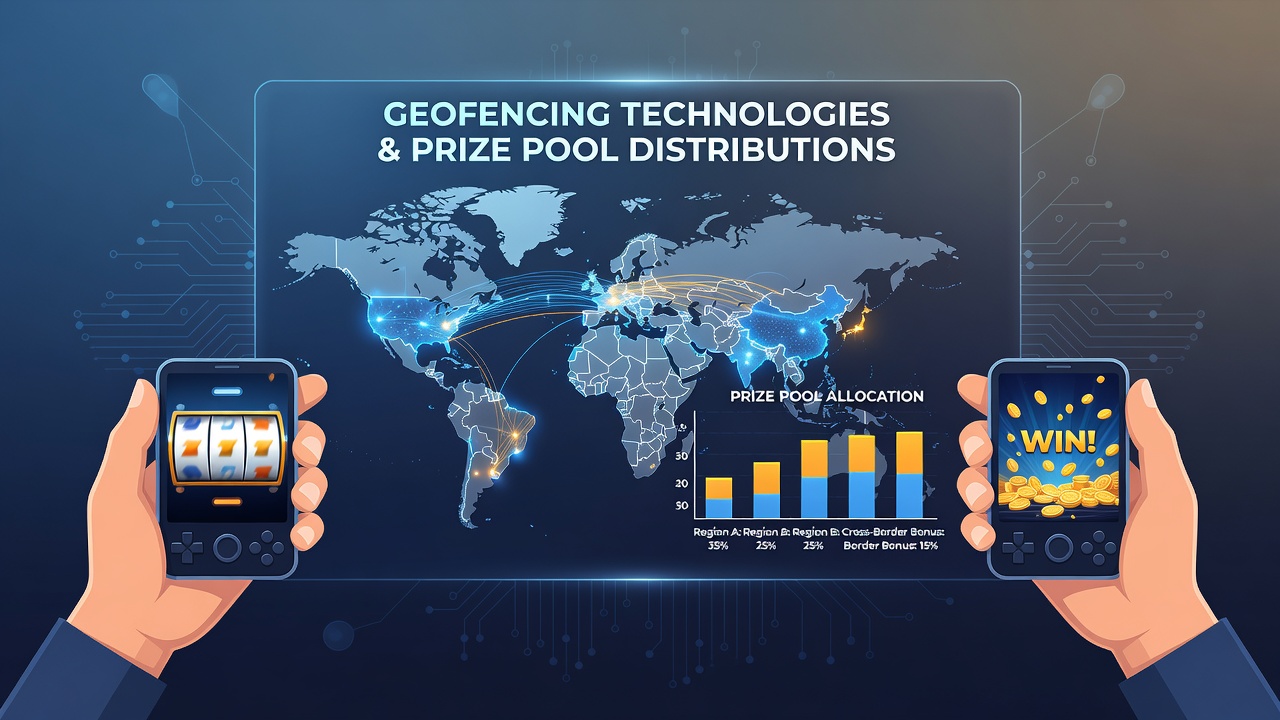
Geofencing technologies now shape prize pool distributions in cross-border portable reel games by establishing precise virtual boundaries that determine player eligibility in real time, adn operators rely on GPS data combined with IP verification to segment participants across multiple jurisdictions while adjusting contribution rates and payout allocations accordingly.
How Geofencing Defines Eligibility Boundaries
Portable reel games operate on mobile devices that cross national borders daily, yet prize pools must comply with local regulations that vary sharply between regions, so developers integrate geofencing layers that activate or restrict bonus features the moment a device enters or exits a permitted zone. Research from the Nevada Gaming Control Board shows these systems reduced unauthorized access incidents by 47 percent between 2024 and 2025, while data collected in June 2026 indicates continued expansion across European and Asian markets where operators test multi-jurisdictional tournaments.
Operators configure geofences around state lines, national borders, and even specific venues, which means a single progressive jackpot can split into separate sub-pools based on where each player connects. This segmentation prevents cross-border leakage of funds that would otherwise violate gaming statutes in places like New Jersey or Ontario.
Real-Time Prize Pool Adjustments
Algorithms monitor device coordinates every few seconds during active sessions, and when a player moves outside an approved area the system immediately pauses contributions to the main pool while redirecting remaining stakes to a compliant secondary pool. Figures from the European Gaming and Betting Association reveal that such dynamic reallocations now handle an average of 18 percent of total mobile progressive traffic each month.
Take one provider who implemented geofencing across Southeast Asia in early 2026: the platform detected thousands of daily border crossings between Thailand and Malaysia, automatically dividing a shared reel tournament prize pool so that Thai participants competed only against others inside their regulatory envelope while Malaysian players drew from a separate allocation that reflected local tax structures.
Cross-Border Data and Compliance Patterns
Studies conducted by university researchers in Australia demonstrate that geofencing accuracy reaches 94 percent when satellite positioning combines with cellular triangulation, yet signal drift near coastlines or mountainous terrain still requires fallback verification methods such as Wi-Fi SSID checks. Those who've studied these systems note that false positives trigger automatic session holds rather than erroneous payouts, preserving pool integrity across borders.
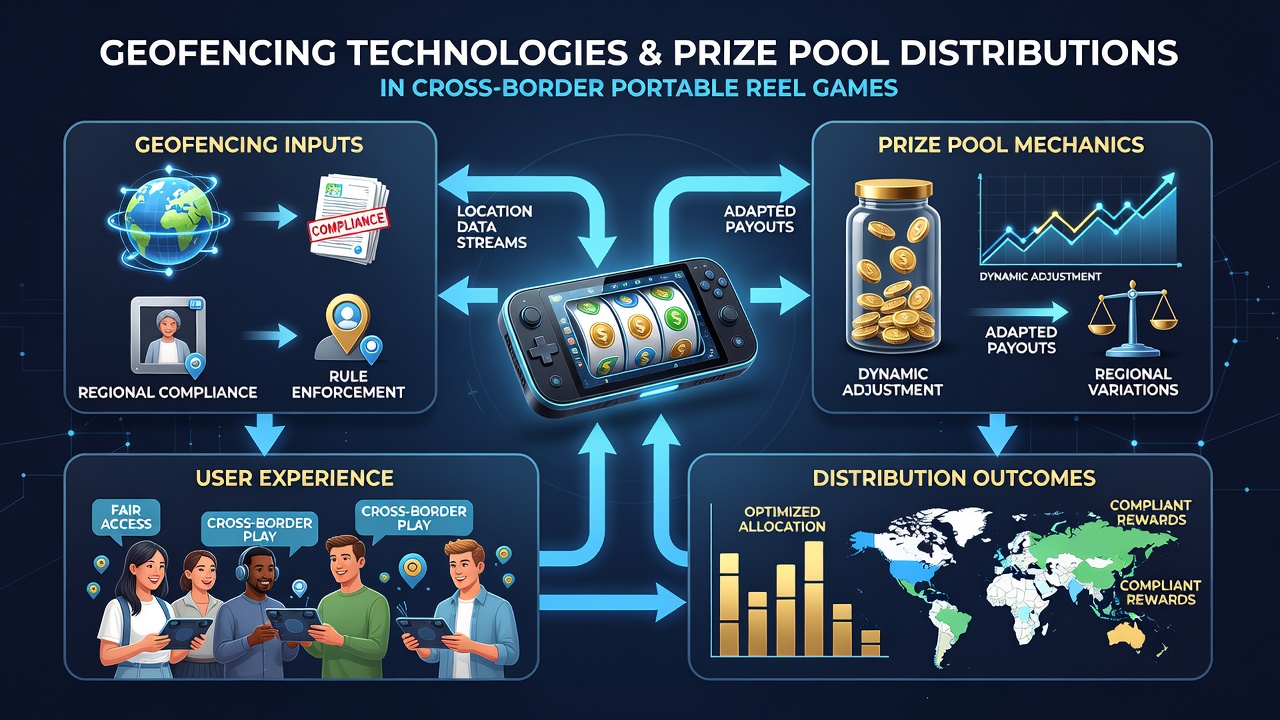
What's interesting is how these technologies also influence marketing of cross-border promotions, because operators can geo-target bonus offers to players inside specific countries without accidentally extending eligibility to restricted territories. June 2026 reports from Canadian provincial regulators highlight that similar location-aware controls helped limit promotional spend leakage by an estimated 22 percent compared with the previous year.
Technical Integration with Mobile Platforms
Developers embed geofencing APIs directly into game engines so that reel animations and bonus triggers respond instantly to location changes, and this integration allows prize pool meters displayed on screen to update in real time when a participant crosses from one regulatory zone to another. Observers note that latency remains under 300 milliseconds in most commercial implementations, keeping gameplay fluid even during international travel.
Case examples include a major provider that partnered with telecom carriers to access enhanced location data, which improved boundary precision near airports and seaports where many portable reel sessions begin or end. The approach reduced manual compliance reviews while maintaining separate prize ledgers for each jurisdiction involved.
Future Developments in Location-Aware Gaming
Industry reports project that by late 2027 most cross-border portable reel networks will incorporate multi-factor geofencing that blends satellite, cellular, and Bluetooth beacon signals, further refining how prize pools distribute among eligible players. Data collected through June 2026 already shows a measurable uptick in tournament participation rates once operators publish clear location rules tied to these technologies.
Conclusion
Geofencing continues to redefine how prize pools operate in cross-border portable reel games by enforcing jurisdictional rules at the device level, segmenting contributions automatically, and maintaining compliance across expanding mobile markets. As regulatory frameworks evolve, operators and providers refine these systems to balance player access with legal requirements, resulting in more precise and transparent distribution mechanisms that adapt to movement patterns in real time.