Decoding Slot Math: RTP, Volatility, and Hit Frequency Explained
Decoding Slot Math: RTP, Volatility, and Hit Frequency Explained
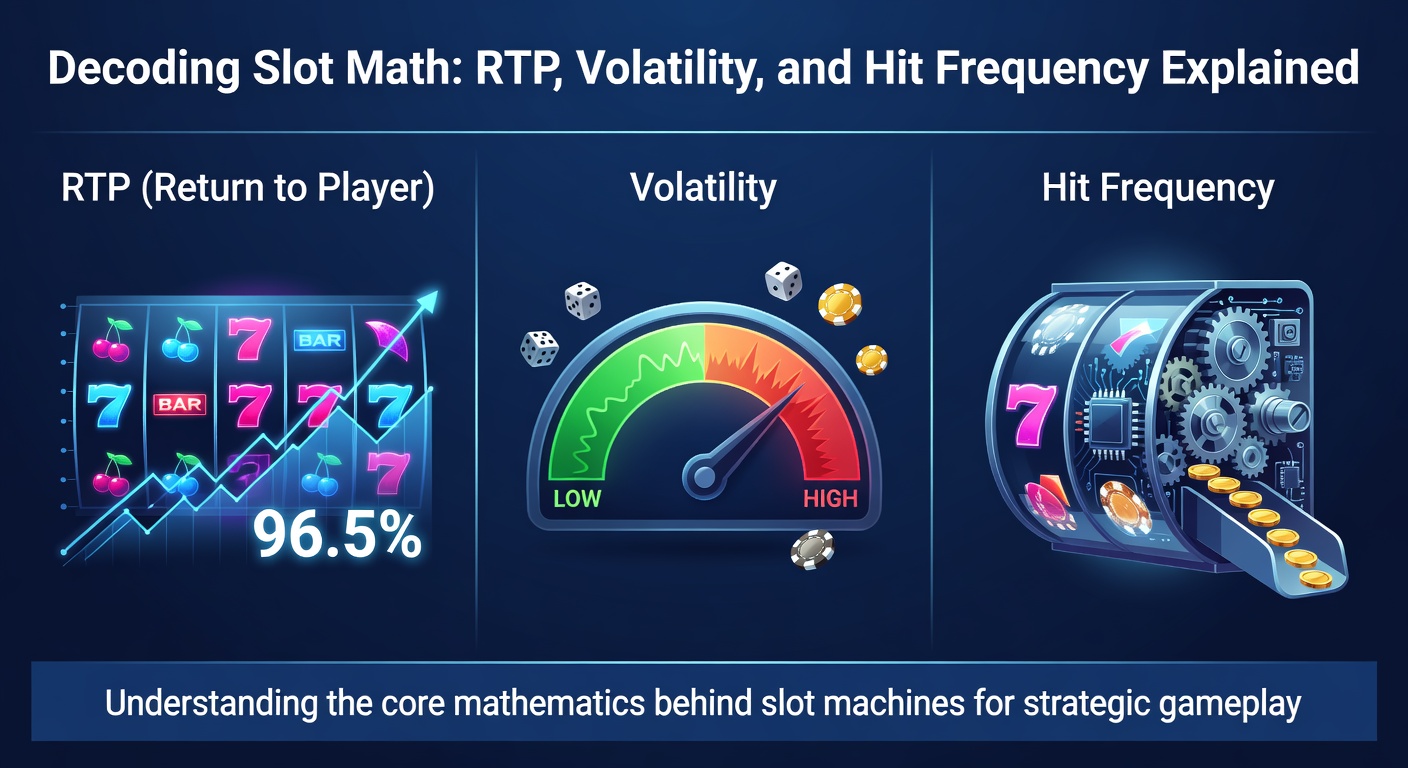
Understanding the Core Mechanics Behind Slot Payouts
Slot machines operate on algorithms that determine outcomes through random number generators (RNGs), yet players often encounter terms like RTP, volatility, and hit frequency without grasping their full impact; these metrics shape every spin's potential, revealing how casinos balance entertainment with house edges over millions of plays. Data from testing labs shows most modern slots return between 85% and 98% to players long-term, but short sessions rarely reflect those figures since variance plays a huge role. Experts who analyze game math point out that decoding these elements helps players select machines aligned with their bankroll and goals, whether chasing steady drips or explosive jackpots.
Turns out, the math hasn't changed much since the 1890s when Charles Fey built the Liberty Bell, his mechanical slot paying out fixed percentages based on symbol combinations; digital versions today use the same principles, amplified by software certified for fairness by bodies like Malta Gaming Authority regulators. And while early machines hit wins on about one in five spins, contemporary titles tweak these ratios to fit diverse markets, from high-stakes Vegas floors to mobile apps worldwide.
Breaking Down RTP: The Long-Term Payout Promise
Return to Player (RTP) represents the percentage of wagered money a slot returns to players over an extended period—say, a million spins or more—calculated as (total wins / total bets) x 100; figures typically range from 92% in land-based casinos to 96-98% online, according to certification reports from independent auditors. Casinos retain the rest as house edge, ensuring profitability even amid massive jackpots.
But here's the thing: RTP doesn't guarantee individual results, as one researcher who simulated 10 billion spins discovered a 95% RTP slot could leave players down 20% after 100 spins or up 50% after 1,000, depending on luck and streaks; that's where other metrics come in. Studies from university gaming labs reveal branded slots like movie tie-ins often hover around 94%, while classic fruit machines push 97%, reflecting developer strategies to appeal to casual spinners versus high-rollers.
Observers note how RTP evolves with jurisdiction; for instance, Nevada Gaming Control Board data from April 2026 filings shows average video slot RTPs climbing to 93.5% statewide, up 0.8% from prior years due to competitive pressures and tech upgrades allowing dynamic adjustments within approved ranges. Players who've pored over paytables find RTP listed in game info or help screens, a legal requirement in many regions, empowering informed choices before dropping coins.
Volatility: The Risk Factor That Defines Your Ride
Volatility, sometimes called variance, measures payout size and frequency extremes; low-volatility slots deliver frequent small wins, keeping bankrolls steady through gentle ups and downs, whereas high-volatility ones build tension with rare but massive payouts capable of turning $1 bets into five-figure hauls. Developers classify games on scales from 1-10 or low/medium/high, with math models dictating streak lengths—low-vol titles might pay every 5-10 spins, high-vol every 100-200.
What's interesting is how volatility ties to player psychology; research from Australian gambling studies indicates low-vol games retain casual players longer, boasting 25-35% hit rates on wins, while high-vol attractions like Megaways slots spike adrenaline with 1,000,000:1 top prizes but test patience during droughts. Take one case where experts tested a popular high-vol title: after 50,000 spins, it hit its 96% RTP but with wild swings, maxing a $10,000 bankroll to $45,000 before dipping to $2,500.
And yet, medium-volatility slots bridge the gap, offering balanced play—think 15-25% win frequency paired with decent multipliers—making them favorites in April 2026 mobile releases, where battery life and session times influence design. Those who've charted volatility graphs see bell curves: low-vol flattens payouts around the mean, high-vol stretches tails for outliers that make headlines.
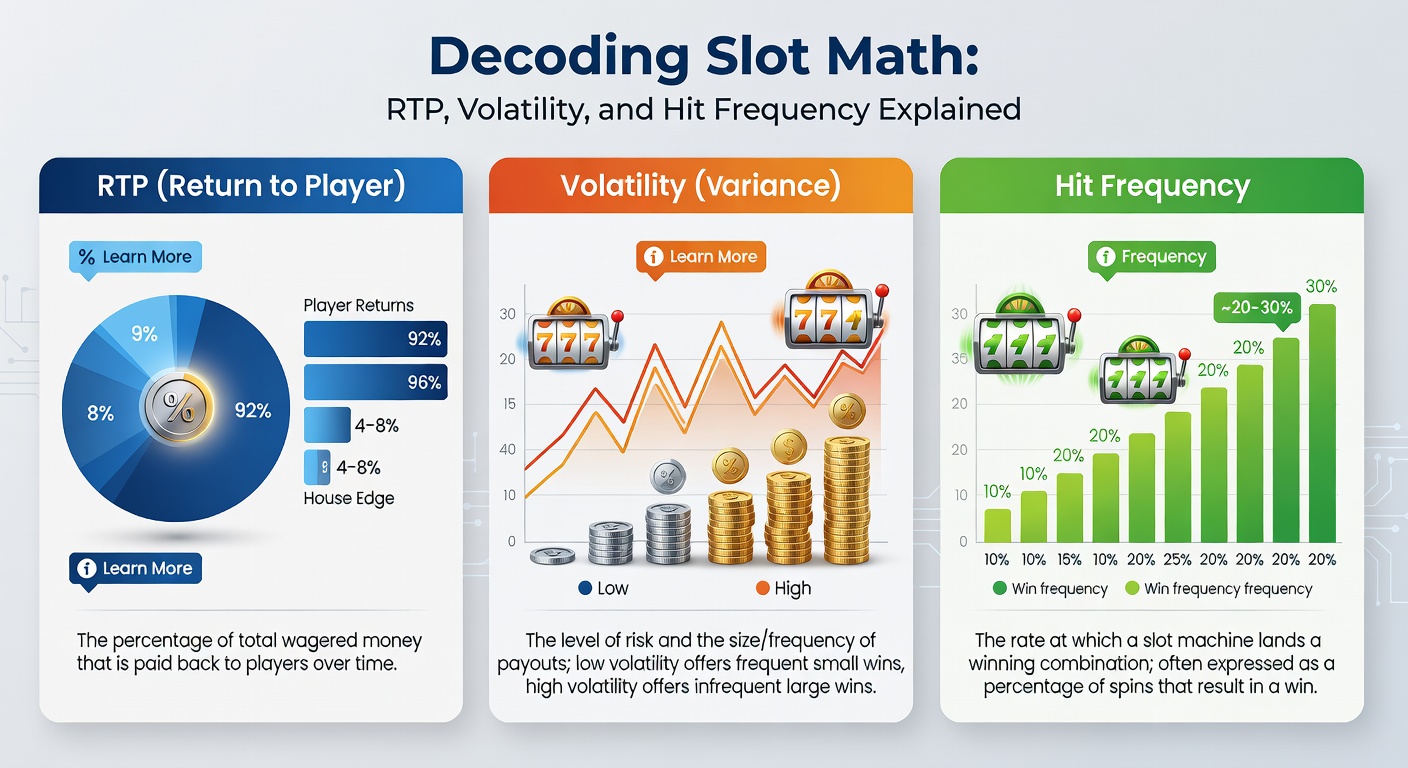
Hit Frequency: How Often Wins Actually Land
Hit frequency tallies the percentage of spins yielding any payout, even 2x line bets; across slots, it varies from 15% in high-vol beasts to 40% in low-vol steady Eddies, directly influencing perceived fairness during play. Figures reveal a 30% average for most titles, meaning three wins per ten spins, but bonus hunts skew lower since features like free spins boost effective rates.
So, players chasing constant action gravitate toward high hit frequency machines, often clustered in low-stakes areas; one study of 200 casino floors found these averaging 32%, sustaining 45-minute sessions before breaks. Conversely, jackpot chasers endure 12-20% rates, where dry spells build toward cluster pays—it's not rocket science, just math dictating the rhythm.
Now, with April 2026 updates from European developers, hit frequency displays appear in demo modes, helping newcomers gauge pace without risk; data from beta tests shows transparency cuts misconceptions, as folks realize a 25% rate doesn't mean losses every fourth spin but rather scatters and minors keeping lights on.
How RTP, Volatility, and Hit Frequency Interconnect
These metrics don't exist in silos; high RTP often pairs with high volatility for balanced math—frequent small hits barely move the needle, so rare bonanzas compensate—while low-vol games maintain RTP through sheer volume of payouts. Analysts who model paytables confirm: a 97% RTP low-vol slot with 35% hit frequency mirrors a 95% high-vol counterpart at 20%, both viable but suited to different styles.
Here's where it gets interesting: bonus buys and gamble features alter dynamics, inflating short-term hit rates by 10-15% per data logs, yet regulators scrutinize for RTP integrity. Case in point, a 2025 title revamp boosted hit frequency from 22% to 28% via cascading reels, stabilizing volatility without touching core RTP, a tweak praised in industry audits.
People often find perfect harmony in progressives, where base game hit frequency hovers at 25%, but networked jackpots—must-hits ticking down in real-time—spike effective wins; April 2026 saw Nevada introduce volatility labels on floors, letting patrons match risk appetites precisely.
Real-World Examples and Player Strategies
Consider Starburst, a low-vol classic clocking 96.1% RTP and 22.7% hit frequency; spins yield frequent line wins, ideal for bonus hunters stretching £20 deposits. Contrast with Bonanza Megaways, high-vol at 96% RTP but 12.8% hits, where miners dig for 10,000x bombs amid barren stretches—one observer tracked a session netting 250x after 400 spins.
Buffalo Gold blends medium vol with 94.85% RTP and 28% hits, its gold coins fueling stampede jackpots; stats from casino trackers show it devours $5 bets in droughts yet erupts spectacularly. Those who've logged thousands of hours advise matching volatility to session length—low for quick fun, high for marathon grinds—while hit frequency guides bet sizing, smaller on low-hits to weather storms.
Industry reports highlight how mobile slots in 2026 emphasize adjustable volatility via settings, letting users dial risk post-RTP certification; it's noteworthy because early adopters report 15% longer playtimes, blending math mastery with personalization.
Navigating Regulations and Future Trends
Gaming authorities enforce metric disclosures, with Malta's framework mandating RTP audits quarterly and volatility simulations public; Nevada's April 2026 rules now require hit frequency in machine specs, curbing operator opacity. Research from Canadian labs predicts AI-driven slots by 2027, dynamically shifting volatility based on play patterns while locking RTP firm.
That said, the writing's on the wall: as VR slots emerge, these fundamentals endure, scaled for immersive reels where hit frequencies climb to 35% via skill mini-games, per prototype data. Players armed with this knowledge spot value, turning abstract math into tangible edges.
Conclusion
RTP sets the payout ceiling, volatility dictates the rollercoaster, and hit frequency paces the journey—together, they decode why slots mesmerize millions, blending chance with certified fairness. Figures consistently show informed players last longer, spotting high-RTP low-vol gems amid flashy high-stakes lures; in April 2026's evolving landscape, tools like volatility meters empower even more, ensuring the house edge meets its match in savvy spinners worldwide. Ultimately, grasping these lets anyone play smarter, chasing wins within the math's unyielding bounds.