Cross-Jurisdictional Data Agreements Reshape Networked Prize Pools in Mobile Reel Systems
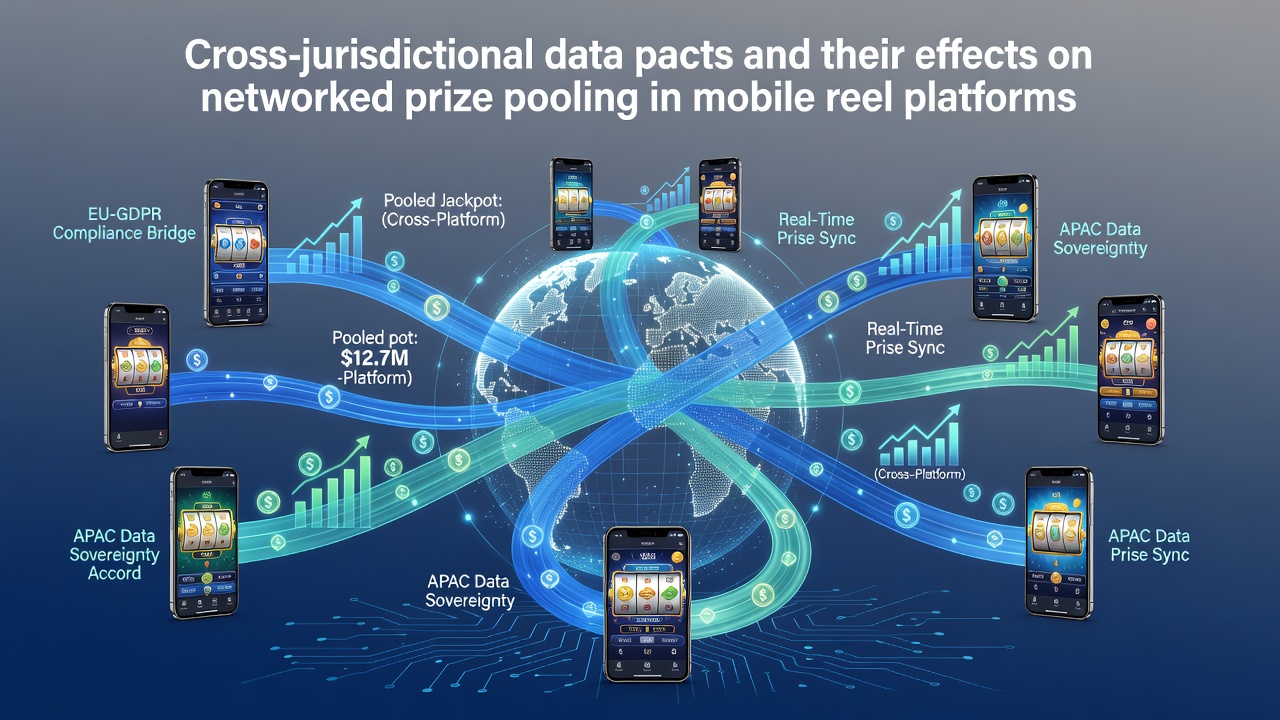
Cross-jurisdictional data agreements have gained traction among regulators and operators in the mobile gaming sector since early 2025, and their influence on shared prize structures continues to expand through July 2026. These pacts establish protocols for transferring player verification records, transaction logs, and behavioral data across borders, which directly determines how networked prize pools accumulate and distribute funds in reel-based applications. Operators rely on synchronized datasets to calculate contributions from users in multiple regions, yet variations in privacy statutes create friction points during pool reconciliation processes.
Data Sharing Protocols and Pool Synchronization
Agreements such as those coordinated through the Asia-Pacific Economic Cooperation forum enable participating jurisdictions to align standards for real-time data exchange, allowing prize pools to draw from wagers placed on devices operating under different licensing regimes. When a player in one territory contributes to a progressive jackpot, the pact transmits the required metadata to central servers without violating local retention rules, and this mechanism supports continuous pool growth across time zones. Researchers at the University of Melbourne documented how synchronization delays dropped by 18 percent in platforms adopting these frameworks during the first half of 2026.
Yet mismatches in consent requirements persist. European frameworks emphasize explicit user approval before cross-border transfers, whereas certain North American states permit aggregated anonymized data flows under broader operational licenses. Operators must therefore segment player cohorts within the same mobile application, routing contributions to separate sub-pools that later merge only after compliance checks complete. This segmentation prevents full consolidation but maintains legal continuity for each participating jurisdiction.
Regulatory Compliance Impacts on Prize Distribution
Tax authorities in multiple regions now reference shared datasets when auditing jackpot disbursements, and this linkage alters payout timelines. A single large win triggered on a networked platform may require sequential approvals from each contributing jurisdiction before funds release, extending settlement periods from days to weeks in some documented cases. The Canadian Gaming Association published figures in June 2026 indicating that platforms operating under bilateral pacts processed 12 percent fewer instant payouts compared with purely domestic networks during the preceding quarter.
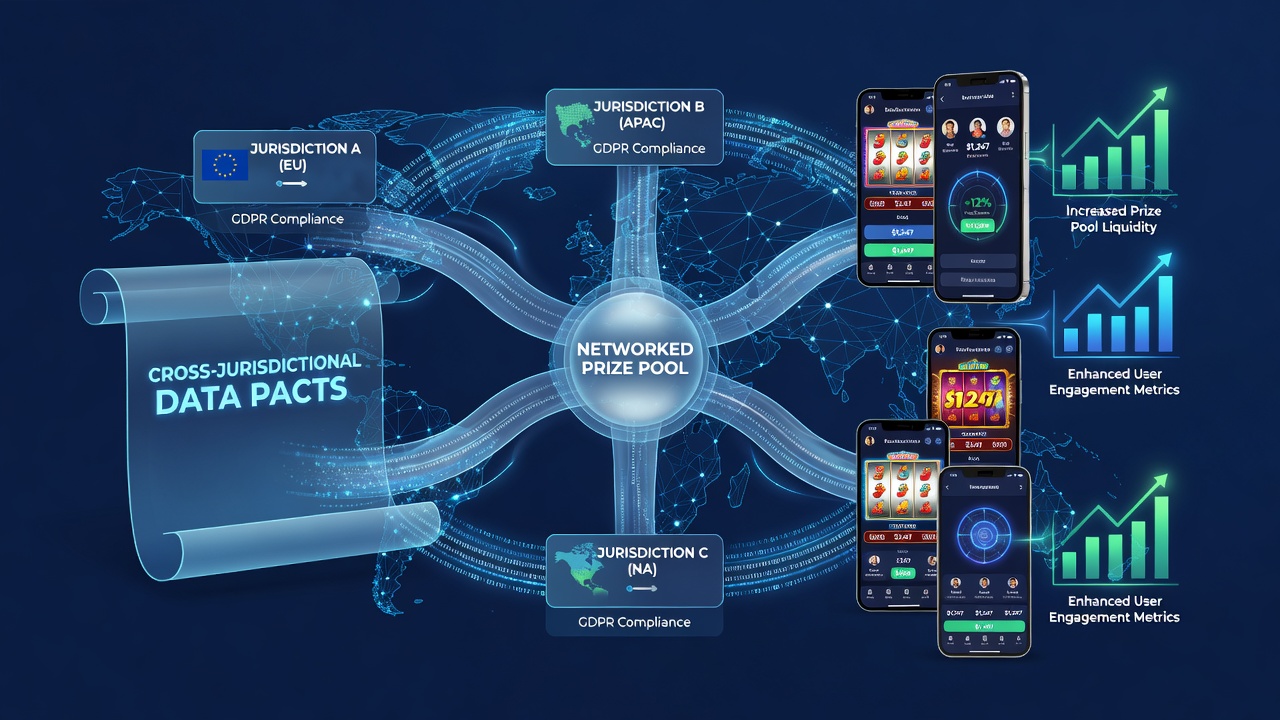
Security obligations embedded in these agreements further shape technical architecture. Encryption standards mandated for data in transit between signatory countries require operators to upgrade transmission layers, which increases latency for live pool updates visible to users. Those upgrades, however, also reduce successful interception attempts, according to reports from the Australian Cyber Security Centre covering incidents through mid-2026.
Player Verification and Geographic Pool Access
Verification modules integrated across borders now determine which prize pools remain visible to individual accounts. A user whose profile originates under one pact may see aggregated totals that exclude contributions from jurisdictions lacking reciprocal data arrangements, and this selective display affects perceived jackpot sizes. Platform analytics firms tracking engagement metrics through spring 2026 noted that users presented with truncated pool figures placed 7 percent fewer wagers on progressive titles than those viewing full aggregates.
Dispute resolution clauses within the agreements outline procedures when data discrepancies surface during prize claims. Independent arbiters appointed jointly by signatory bodies review transaction histories, and their decisions bind operators to adjust pool balances retroactively. Such mechanisms have resolved several high-value claims in the first half of 2026 without escalating to civil courts, maintaining operational continuity for the affected mobile networks.
Future Trajectories for Networked Reel Ecosystems
Additional jurisdictions continue evaluating participation in existing frameworks, and preliminary discussions at the July 2026 Global Gaming Summit highlighted potential expansions into Latin American markets. Each new signatory introduces fresh data fields that must integrate with legacy pool calculation engines, requiring iterative software updates across provider portfolios. The cumulative effect appears in gradual diversification of jackpot sources, with pools drawing from an increasing number of regulatory environments rather than concentrating within single markets.
Conclusion
Cross-jurisdictional data pacts continue to define operational boundaries for networked prize pooling in mobile reel platforms through structured information exchange and layered compliance requirements. Their ongoing implementation shapes how contributions accumulate, how payouts receive approval, and how users interact with visible totals, establishing a stable yet evolving foundation for international reel competitions as of July 2026.