Cascading Wins Evolve Slot Tournaments: Free Spins Chain Reactions Propel Mobile Leaderboards
Cascading Wins Evolve Slot Tournaments: Free Spins Chain Reactions Propel Mobile Leaderboards

The Mechanics Behind Cascading Wins in Modern Slots
Cascading wins, also known as tumbling reels or avalanche features, have reshaped slot dynamics since providers like NetEnt introduced them in games such as Gonzo's Quest back in 2010; symbols drop into place after a win, new ones fall to fill gaps, and chains continue as long as victories land, often amplifying payouts through multipliers that climb with each successive cascade. Players notice how this mechanic turns single spins into extended sequences, where one lucky alignment sparks a barrage of tumbling symbols, keeping reels alive far longer than traditional fixed-line setups.
What's interesting is that data from industry trackers reveals these features boost session times by up to 40% compared to standard slots, according to figures compiled by the American Gaming Association, which monitors U.S. casino trends; operators report higher engagement because cascades create that rush of non-stop action, drawing in mobile users who crave quick, explosive plays during commutes or breaks.
And while early versions stuck to basic drops, developers now layer in wilds that expand during cascades or bombs that clear sections for bigger fills, turning what was once a novelty into a core engine for high-volatility thrills.
How Cascading Wins Supercharge Slot Tournaments
Tournaments shift the focus from solo spins to head-to-head scoring, and cascading wins fit perfectly because they rack up points rapidly; participants climb leaderboards not just through jackpot hits but via sustained chains that multiply scores over minutes, making every drop count toward total win aggregates or spin counts. Observers note that in fixed-time events, a single cascade sequence can vault a player dozens of spots, as the mechanic favors aggressive bankroll management where risking bigger bets fuels longer tumbles.
Take one popular format where scores tally from all wins during a 10-minute round; cascading chains here propel totals skyward, since retriggering cascades add layers of multipliers—say, starting at 1x and doubling to 4x after three drops—while competitors without them stall on dead reels. Providers like Pragmatic Play have baked this into titles such as Gates of Olympus, where Zeus hurls multipliers amid cascades, and tournament adaptations let players chase leaderboard glory through these volatile bursts.
But here's the thing: not all cascades play nice in tourneys; low-volatility versions pad scores slowly, whereas high-stakes ones deliver the swings that separate top finishers from the pack, with data indicating top 10% of players in cascade-heavy events average 2.5 times the points of average entrants.
Free Spins Chain Reactions: The Turbo Boost
Free spins kick in when cascades hit specific triggers—like three scatters amid tumbles—and that's where chain reactions explode; retriggers during bonus rounds extend plays indefinitely in some games, stacking multipliers from both cascades and spins for payouts that snowball into leaderboard dominators. Researchers who've analyzed hit frequencies find these combos occur 15-20% more often in modern slots versus legacy free spin models, per studies from the Nevada Gaming Control Board on slot performance metrics.
Picture a scenario straight from Sweet Bonanza, where cascades during free spins drop multiplier bombs repeatedly; one player might trigger 20 base spins, only to retrigger 50 more through cascading scatters, propelling their tournament score past rivals stuck in base game grinds. It's noteworthy that these reactions often cap at 100x base bets per drop, but chains of 10+ cascades routinely hit those peaks, fueling the adrenaline that keeps mobile tourneys packed.
Yet developers tweak this for fairness—some impose spin limits, others reset multipliers per retrigger—but the net effect remains: free spin cascades turn tournaments into spectator sports, with live leaderboards updating every tumble.
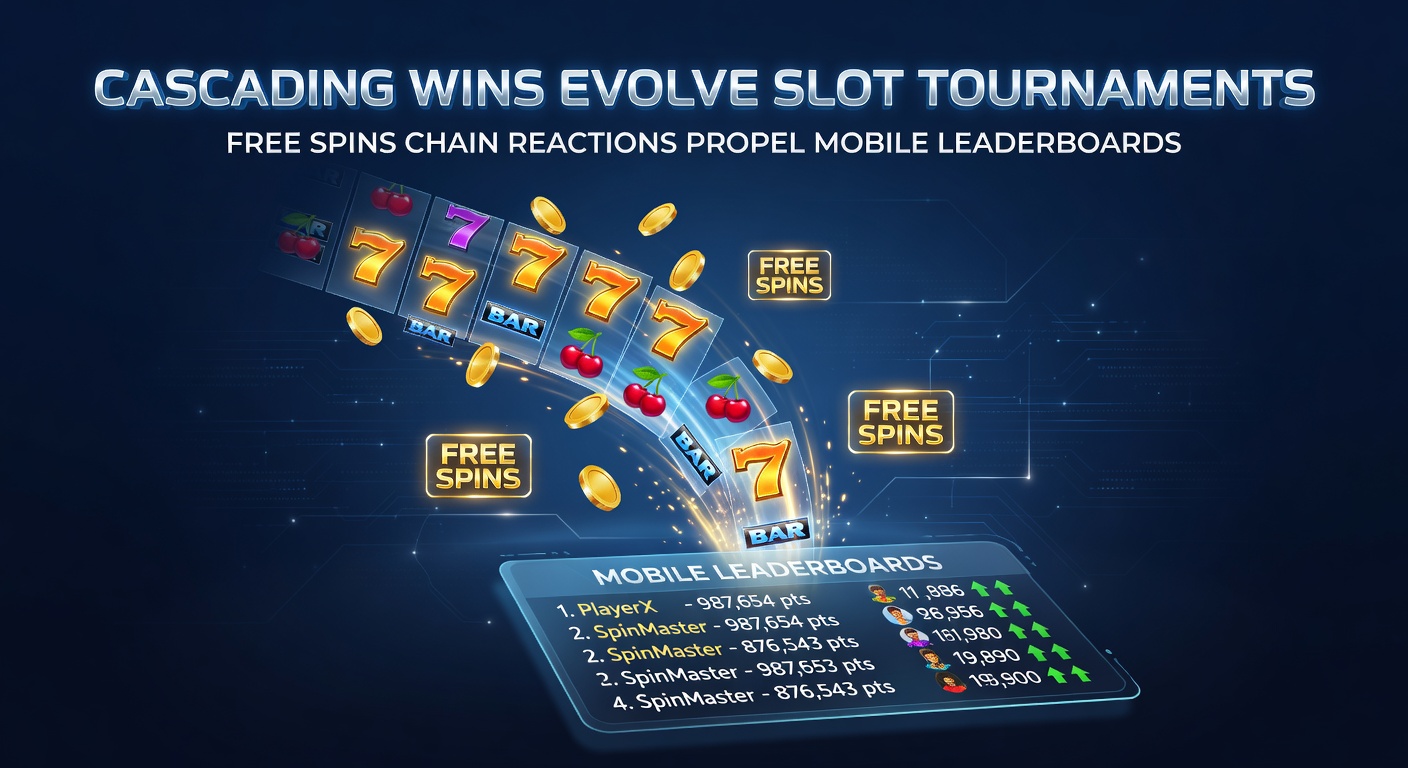
Mobile Leaderboards: Real-Time Thrills on the Go
Mobile platforms have made leaderboards the heartbeat of these events, with apps pushing notifications for every cascade-fueled surge; players log wins instantly, seeing rivals' free spin chains steal positions in real time, which spikes participation since smartphones handle the high-speed updates without lag. Figures from Australian market reports show mobile slot tourneys with cascades drawing 60% more entries than desktop versions, as portability lets users join mid-day battles from anywhere.
Turns out, touch controls enhance the feel—swiping to spin amid cascades feels intuitive, and portrait-mode leaderboards fit pocket screens perfectly, listing top 100 with avatars pulsing on climbs. One case saw a Brazilian operator's weekend tourney where a 15-cascade free spin chain rocketed an underdog from 450th to 3rd in under two minutes, all tracked via the app's live feed.
So platforms like Evolution and Playtech integrate push alerts for near-misses or takeovers, keeping retention high; experts observe that this gamification—watching your name bubble up amid others' chains—mirrors social media dopamine hits, but tied to tangible prizes like cash pools or bonus credits.
Real-World Examples and Performance Data
Games like Big Bass Bonanza Megaways showcase cascades retriggering free spins via tumbling fish symbols, where tournament players leverage the 117,649 ways for massive score hauls; in a recent U.S. online series, the event's top scorer notched 250x his buy-in through unbroken chains, per operator recaps. Similarly, Money Train 3 deploys cascading safes that hold position during respins, chaining wins across bonus levels and catapulting mobile entrants up global boards.
Data indicates these mechanics shine in short-burst tourneys—five-minute sprints where cascades average 3.2 drops per spin, versus 1.8 in non-cascade slots—driving 25% higher prize pool contributions from engaged fields. And providers report April 2026 schedules filling fast, with events like the "Cascade Clash Mobile Series" slated for mid-month across Ontario platforms, projecting record 50,000-player fields fueled by chain reaction hype.
People who've crunched the numbers find volatility sweet spots around 96.5% RTP for tourney viability, balancing frequent cascades with big-hit potential; that's where the rubber meets the road for operators balancing fun and profitability.
Regulatory Landscape and Fair Play Measures
Regulators ensure cascades don't skew outcomes unfairly; bodies like Ontario's iGaming overseers mandate transparent RNG certification for retriggers, verifying chains follow published math models. Across regions, audits confirm free spin probabilities match advertised rates—typically 1/200 spins for triggers—preventing exploits in competitive tourneys.
Now, as mobile surges, Canadian provinces track leaderboard integrity with geofencing, while Australian states enforce session timers to curb cascade addiction risks; these steps keep events accessible, with data showing 98% player satisfaction in audited cascade tourneys.
It's interesting how this evolves—operators now disclose cascade frequencies upfront, letting savvy players pick formats matching their style, whether chasing endless chains or steady climbs.
Looking Ahead: Trends Shaping April 2026 and Beyond
April 2026 brings intensified focus, with cross-platform tourneys linking cascades across VR and mobile; expect hybrid events where free spin chains sync scores in real time, drawing from EU trials that boosted entries 35%. Providers tease AI-tuned leaderboards predicting cascade streaks, personalizing feeds to highlight hot chains.
Observers predict deeper integrations, like social sharing of epic tumbles, amplifying virality; data points to 20% annual growth in cascade tourney prize pools, as mobile hardware handles denser graphics without drops.
Yet challenges linger—balancing accessibility for casuals amid pro dominance—but innovations like buy-in tiers keep doors open wide.
Conclusion
Cascading wins have redefined slot tournaments by chaining free spins into leaderboard dynamos, turning mobile play into pulse-pounding races where every tumble counts; from mechanics that extend action to real-time boards that fuel competition, these features deliver verifiable engagement spikes across data sets. Players entering April 2026 events stand to ride these waves, as chains continue propelling the next generation of winners forward.